

Toilet Education Center Project Update!
This November marked a milestone moment for Oyuna, our Impact Hero 2023, and for all of us who have walked alongside her.
On World Toilet Day, November 19, Oyuna officially launched the Toilet Education Center—the first of its kind in Mongolia. For nearly a decade, she has carried this vision in her heart. And now, thanks to your support, it has become a reality.
Just 20 minutes from central Ulaanbaatar, in the heart of the ger district, the center offers far more than education. It is a space for dialogue, awareness, and transformation—where communities can learn about the health and environmental dangers of traditional pit latrines and experience firsthand the benefits of safe, hygienic, and regenerative dry toilets.
For many residents, this is their first time to seen how modern sanitation solutions can transform daily life.

Even before its doors opened, the center was drawing attention. Since summer, Oyuna’s team has received over 4,300 inquiries about dry toilets, from residents curious to learn more to government officials exploring nation-wise adoption. The local appetite for change is clear.
The grand opening drew national TV crews, representatives from the Japanese Embassy, local government, and citizens ready to be part of the solution. In her opening remarks, Oyuna shared:
“In the eight years since this journey began, we’ve installed 1,150 dry toilets across Mongolia. With this new education center we aim to reach 6,000 households by 2030. From the bottom of my heart, thank you.”
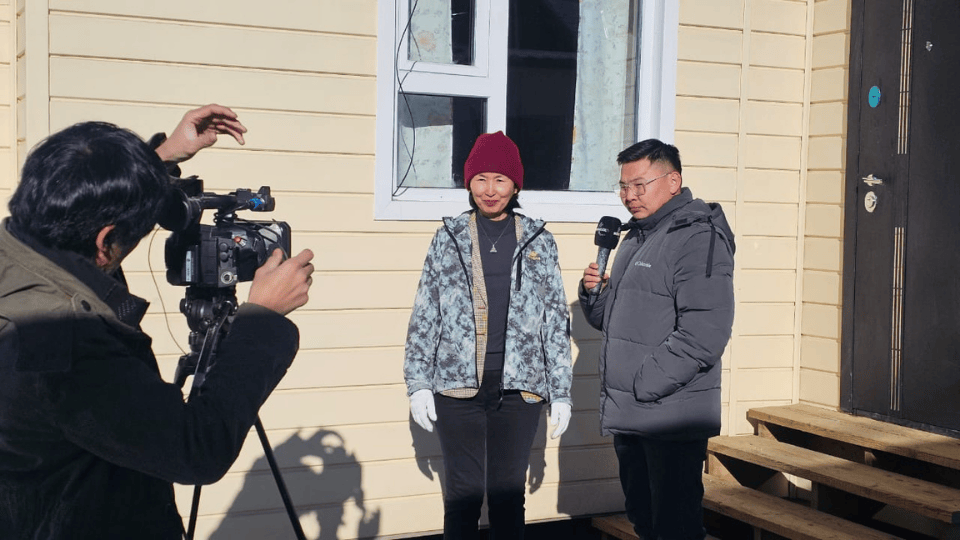
In 2025 alone, 151 dry toilets will be installed, nearly tripling last year’s total. While toilet installations slow during Mongolia’s brutal winter, the center will remain open year-round. It will not only showcase dry toilets but also introduce eco-heaters, solar panels, and sustainable living solutions which are all designed to serve the unique needs of ger-area residents.
Looking ahead, the center expects to welcome 3,500 visitors annually through workshops, school programs, and community trainings. In a country where sanitation is a silent crisis, this center has the potential to catalyze a national movement.

Our Journey with Oyuna Is Almost at Its End. But Her Mission Is Just Beginning.
With just two months left in her three-year support journey with Earth Company, Oyuna’s momentum is only growing.
We remain committed to walking with her and ensure this work is sustainable, rooted, and ready to flourish even long after our official support concludes.
This isn’t just the opening of a facility. It’s a step toward a more dignified, healthier, and regenerative Mongolia.
It started with one changemaker’s dream, and it has come to fruition with your belief and support. Thank you.
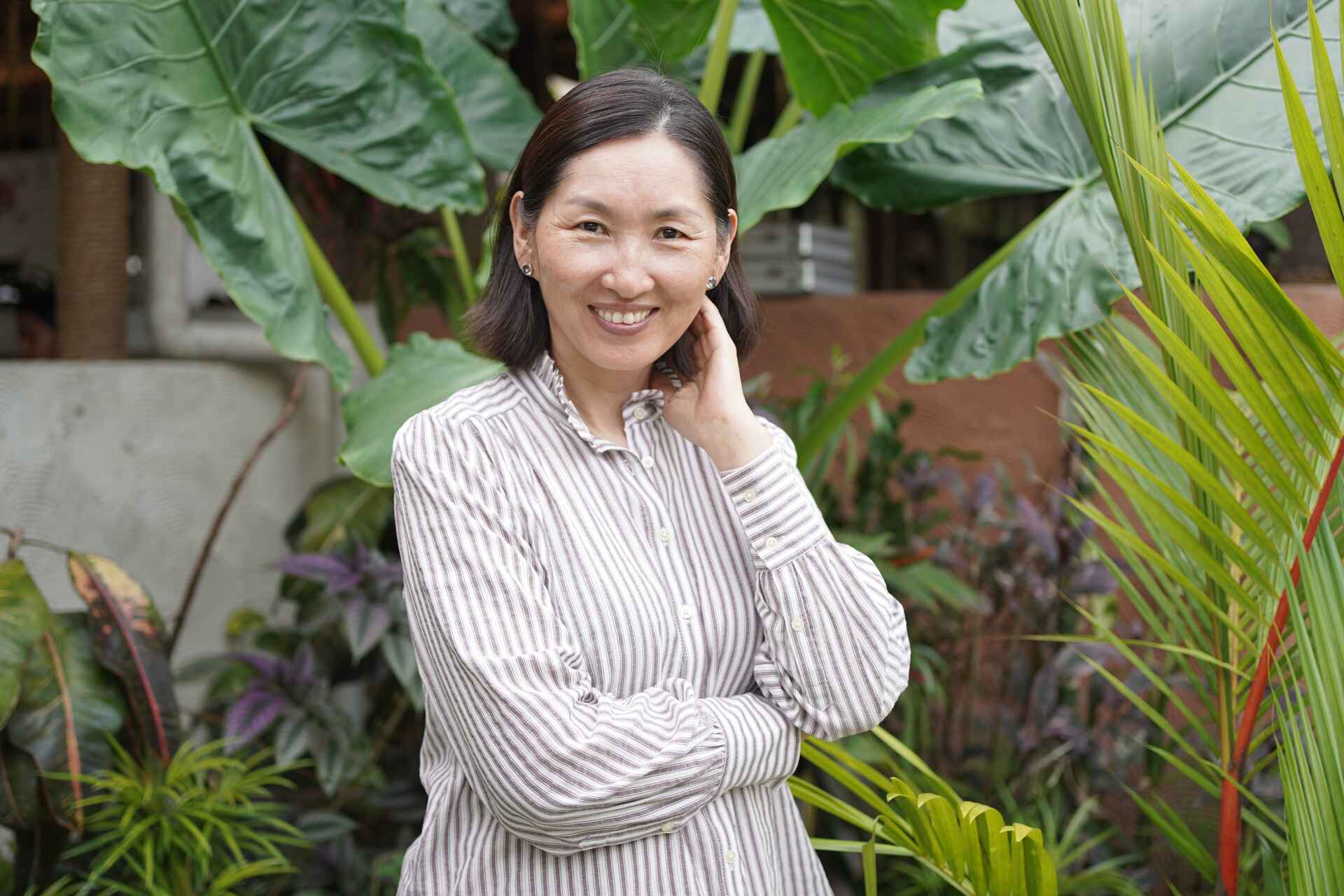
Oyungerel (Oyuna) grew up in a small rural town in Mongolia, that was influenced by the communist past of the Soviet Union. After studying planned economics at Moscow University, she would become an activist promoting democracy in Mongolia after the Soviet Union collapsed. She has served as a member of parliament and Minister of Culture and Tourism, where she worked towards the country’s sustainable development.
Mongolia faces significant challenges in terms of water and sanitation. More than 60% of toilets in Mongolia are open-pit latrine toilets, which are highly unsanitary, a health hazard, and even life-threatening. To an extent where, the entire country considers the word ‘toilet’ a taboo.
In order to address this, Oyuna initiated the campaign “Let’s Change Our Toilets” with the aim of changing people’s attitudes and behaviors towards toilets. The mission focuses on improving overall hygiene, and the environment, through widespread adoption of safe, sanitary, and eco-friendly toilets. She mainly focused on remote areas without access to water, and Ger districts (nomadic settlements) in urban areas. Oyuna’s campaign involves introducing alternative toilet options, conducting training and awareness programs in communities, and promoting collaborations with the business sector